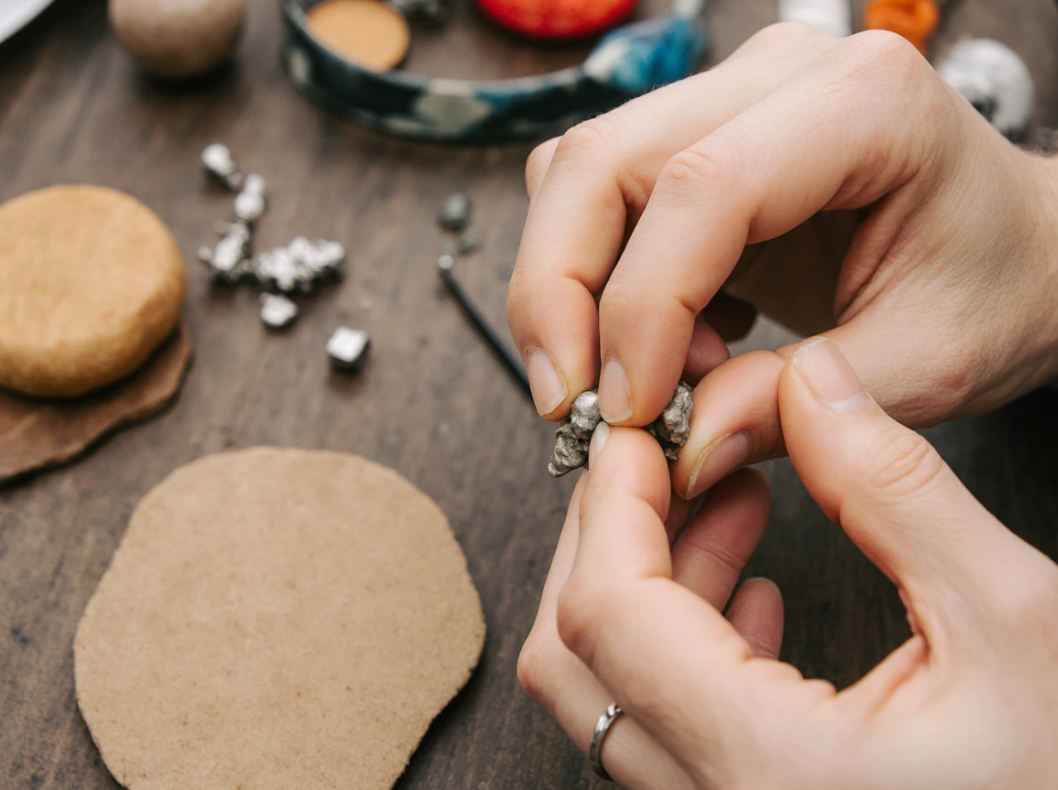
Choosing the right materials is key to making stylish, unique handmade accessories that you will be proud to wear or gift. Whether you’re just starting or already have some experience, knowing which materials fit your vision, skills, and tools can save time and frustration. This guide breaks down popular crafting materials—polymer clay, wood, metal, and others—helping you pick what fits your project best.
What Are the Most Popular Materials for Handmade Jewelry and Accessories?
When it comes to DIY crafting, several materials stand out for their availability, versatility, and unique look. Here’s a quick overview:
| Material | Advantages | Disadvantages | Best Uses |
|---|---|---|---|
| Polymer Clay | Affordable, easy to shape and bake at home, wide color range | Can be fragile if thin, needs baking, may require finishing | Beads, charms, pendants, small decorative pieces |
| Wood | Natural look, lightweight, easy to cut and shape with basic tools | Can splinter, sensitive to moisture, requires sealing | Earrings, pendants, bracelets, home décor accents |
| Metal (Wire, Sheet, Findings) | Durable, professional look, many textures and finishes | Requires tools and some skill, heavier, can tarnish | Wire wrapping, chains, clasps, components in mixed-media |
| Resin | Glossy finish, can encapsulate objects, versatile | Requires mixing and curing time, can be toxic if mishandled | Coatings, pendants, resin charms with embedded items |
| Fabric and Leather | Flexible, comfortable, adds texture and color | Requires cutting and sometimes stitching, can fray | Bracelets, chokers, mixed-media jewelry |
How Do You Know Which Material Is Right for Your Project?
Choosing craft materials depends on your project goals, skill level, tools, and the final look you want.
- Define your design: Do you want bold chunky earrings or delicate charms?
- Consider your experience level: Polymer clay and wood are great for beginners; metals may require more tools and practice.
- Think about durability: Will your item be worn daily or just a special occasion?
- Evaluate tools and space: Can you bake clay at home or work with sharp tools?
Matching these points to material properties guides your choice effectively.
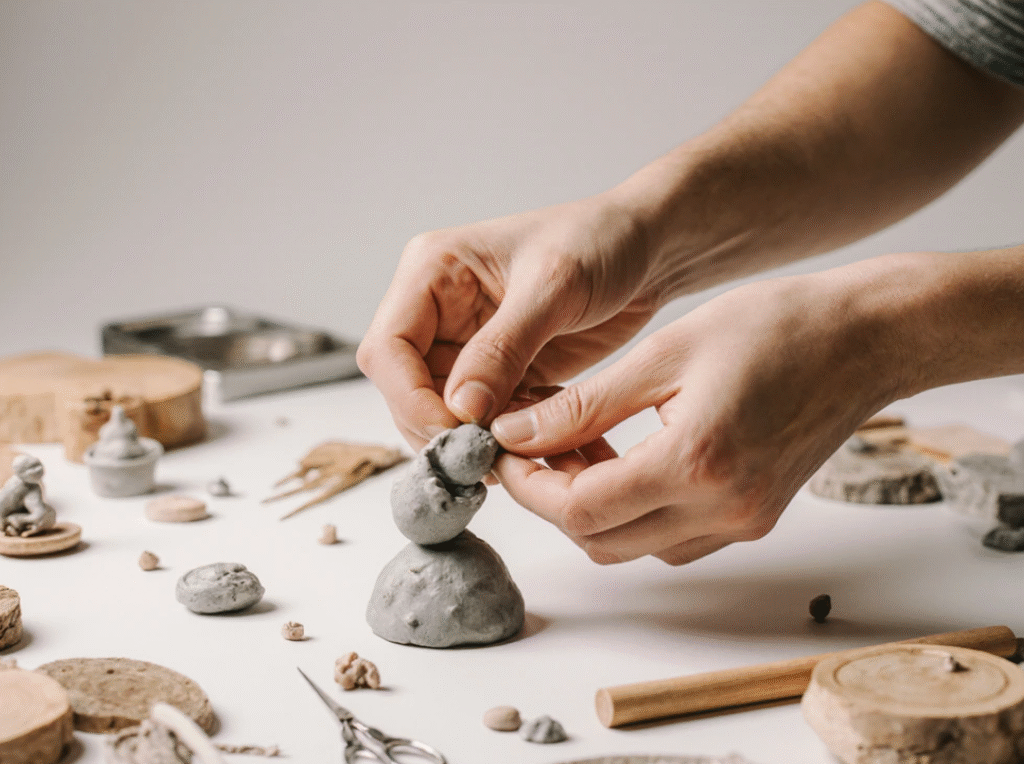
Expert Advice on Picking the Right Craft Materials
Expert advice from Jane Morgan, Jewelry Designer: “Don’t rush to buy expensive metals if you’re still learning basic shapes. Start with polymer clay or wood to build confidence and gradually introduce metals as you master tools and techniques.”
What Tools Do You Need for Different Materials?
Each material has its own tool requirements, which can impact your budget and workspace setup.
- Polymer Clay: Basic sculpting tools, rolling pin, baking oven (home oven works).
- Wood: Small saws, files, sandpaper, maybe a drill or rotary tool.
- Metal: Pliers (round nose, flat nose), wire cutters, hammers, files.
- Resin: Mixing cups, stir sticks, molds, gloves, mask (for safety).
- Fabric/Leather: Scissors, needles, thread, glue.
Starting with materials that require the least investment in tools can be smart for beginners.
Expert Advice: How Does Material Affect Your Crafting Time and Skills?
Expert advice from Mark Ellis, Craft Instructor: “Materials like polymer clay let you see quick results because you can shape and bake in a short time. Wood and metal often take longer due to cutting, sanding, and finishing, but they offer a stronger, more polished finish.”
What Are Common Mistakes When Choosing Craft Materials?
- Choosing materials without considering durability.
Many crafters pick materials based only on looks, forgetting how they will hold up over time. For example, fragile polymer clay beads can break if too thin.
Why it happens: The design vision dominates, and durability is overlooked.
Cost of mistake: Finished pieces may break or wear quickly, disappointing both maker and recipient. - Not aligning tools with materials.
Starting with metal without owning or knowing how to use proper tools causes delays and frustration.
Why it happens: Enthusiasm leads to buying advanced materials before skill readiness.
Cost of mistake: Waste of money on unused tools or unsuccessful attempts. - Skipping practice on simpler materials.
Jumping into complex materials like resin or metal without practice leads to uneven, messy results.
Why it happens: Desire to create professional looking pieces instantly.
Cost of mistake: Frustration, loss of motivation, and wasted supplies.
What Unique Ideas Can You Try with These Materials?
When you know basics, mix and match materials to create truly unique pieces. Here are some ideas:
- Combine polymer clay beads with metal wire wrapping for colorful and sturdy earrings.
- Use wood pendants with leather cords for a natural, rustic style.
- Encapsulate dried flowers in resin pendants for personal and lasting keepsakes.
- Mix fabric accents into polymer clay jewelry for texture contrast.
Expert advice from Laura Chen, Mixed-Media Artist: “Think about compatibility—wood needs sealing if combined with resin to avoid bubbling, and metal must be cleaned before gluing to ensure adhesion. Testing small samples saves time.”
How to Choose and Start Crafting
Choosing the right materials means balancing your project idea, skills, tools, and patience. Start simple with polymer clay or wood if you’re new. Gather basic tools first, then explore metals and resin when ready. Avoid common mistakes by considering durability, tools, and practice needs. Experiment with combinations to make pieces truly your own. Most importantly, enjoy the process!
Leave a Reply