Weddings are filled with rich traditions that often inspire creativity. For those who love handmade projects, understanding cultural wedding customs can spark ideas for unique, meaningful jewelry and accessories you can create yourself. This article explores wedding traditions from around the world to help you design personalized pieces that celebrate love and culture, using accessible materials. Let’s dive in and see how you can blend tradition with your DIY passion.
What Are Some Unique Wedding Traditions Around the World?
Wedding customs differ widely across cultures, often reflecting deep symbolism. Knowing these traditions gives you fresh inspiration to craft accessories that tell a story.
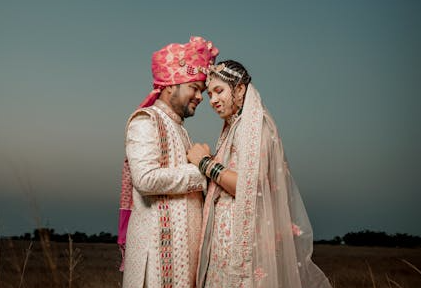
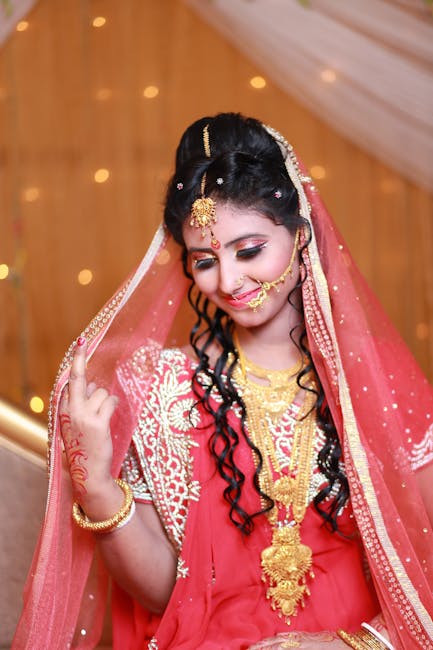
- Indian Mehndi Ceremony: The bride’s hands and feet are decorated with intricate henna designs before the wedding day. This tradition symbolizes joy, beauty, and spiritual awakening.
- Japanese San-San-Kudo: The couple sips sake in a ritual consisting of three rounds of three sips each, symbolizing union and prosperity.
- Scottish Handfasting: The couple’s hands are tied together with ribbons or cords, signifying their bond—a practice perfect for creating handmade cuff bracelets or braided cords.
- Mexican Lazo Ceremony: A figure-eight-shaped rope or rosary is placed around the couple’s shoulders to represent unity and eternal love.
- Korean Paebaek Ceremony: The bride offers dates and chestnuts to the groom’s family, which symbolize children. This custom inspires the use of natural materials like wood beads and seeds in jewelry.
How Can I Use These Traditions to Make DIY Wedding Jewelry?
Incorporating the symbolism behind these customs lets you create jewelry that carries meaning beyond beauty. Here are some ideas to start:
- Henna-Inspired Patterns: Use tiny beads or paint on pendants to mimic mehndi patterns. You could design delicate bracelets or rings featuring these motifs.
- Sake Cups and Cord Symbols: Create miniature sake cup charms or braided cords symbolizing unity, inspired by Japanese San-San-Kudo and Scottish handfasting.
- Natural Elements: Incorporate wood, seeds, or organic shapes in necklaces emulating Korean traditions.
- Figurative Ropes: Craft twisted or knotted wire looms to reflect the Mexican lazo ceremony’s meaning.
Think about the meaning you want your piece to communicate—unity, prosperity, or fertility—and let that guide your creation.
Expert advice from Maria Jenkins, Jewelry Designer:
“When making jewelry inspired by cultural bridal traditions, focus on simple symbols and colors first. This keeps your design authentic and approachable, especially when using common DIY materials like wire, beads, or clay.”
Which Materials Are Best for DIY Wedding Accessories Inspired by Different Cultures?
Choosing the right materials is key for durability and style. Here’s a simple comparison to help you decide:
| Material | Advantages | Disadvantages | Best Uses |
|---|---|---|---|
| Wire (Copper/Aluminum) | Flexible, easy to shape, affordable | Can tarnish over time, less durable than precious metals | Braided cords, handfasting ribbons, lazo mimicry |
| Beads (Glass, Wood, Clay) | Wide variety of colors and textures; natural look | Fragile materials may chip; some beads can be costly | Henna patterns, natural element designs, symbolic accents |
| Leather/Suede | Strong, warm texture, ideal for rustic styles | Not waterproof, less formal | Bracelets inspired by handfasting or rustic themes |
| Polymer Clay | Highly customizable shapes and colors | Requires baking, can be brittle | Custom charms, miniature sake cups, figurative designs |
What Are Common Mistakes to Avoid When Making DIY Wedding Jewelry?
Even simple projects can face pitfalls. Knowing these helps keep your work polished and functional.
- Overcomplicating Designs: Trying to replicate intricate patterns without practice can lead to frustration and messy results.
- Ignoring Material Limits: Using fragile materials for pieces meant to last throughout a wedding day can cause breakage at crucial moments.
- Neglecting Comfort: Accessories that look good but feel heavy or scratchy can make wearers uncomfortable.
- Skipping Proper Finishing: Rough edges or unsealed paint can diminish the overall elegance of your work.
- Not Planning for Symbolic Meaning: Missing the cultural significance risks creating accessories that feel empty or inappropriate.
Expert advice from David Lee, Handmade Accessories Coach:
“Focus on the balance between beauty and usability. Test your accessory for weight and comfort before finalizing it, especially for bridal jewelry, where wear time is long.”
How Can I Start Making My Own Wedding-Inspired Accessories at Home?
Starting with clear steps boosts confidence. Here’s a simple guide to get you going:
- Research one cultural wedding tradition that resonates with you.
- List symbols, colors, and materials relevant to that tradition.
- Sketch simple designs incorporating these elements.
- Choose easy-to-find materials like wire, beads, or polymer clay.
- Begin crafting, focusing on small decorative pieces like charms, pendants, or bracelets.
- Finish pieces with smooth edges and, if possible, seal or polish them.
Every small project adds experience and style to your skill set.
Expert advice from Sarah Kim, DIY Craft Instructor:
“Don’t hesitate to simplify complex cultural motifs. Your handmade interpretation is unique and personal. Start with basic techniques, then layer on details as you progress.”
Which Cultural Wedding Traditions Inspire Accessory Ideas the Most?
While every culture offers unique inspiration, some stand out for DIY crafters:
- Indian Mehndi: The intricate patterns challenge your skills and can translate into painted or beaded designs.
- Scottish Handfasting: The concept of binding with ribbons or cords easily inspires braided or twisted jewelry.
- Mexican Lazo: Symbolic cords allow creative use of wire wrapping and ornamental knots.
Choosing a tradition that excites you makes the creative process more enjoyable and meaningful.
Common Questions About DIY Wedding Jewelry and Cultural Inspirations
How long does it take to create meaningful wedding-inspired DIY jewelry?
It depends on the complexity, but starting simple can take as little as a few hours. More detailed work may require multiple sessions. Consistent practice improves speed and quality.

Can I mix traditions from different cultures in one piece?
Yes, but do so respectfully. Understand each tradition’s significance and find symbols that complement each other without causing conflict.
What tools do I need for beginner-level handmade wedding accessories?
A basic toolkit includes pliers, wire cutters, glue suitable for your materials, needles for beadwork, and a clean workspace.
Five Most Common Mistakes When Crafting Wedding-Inspired Accessories
1. Overloading with Too Many Symbols
Many start by adding every possible symbol into one piece, thinking it increases meaning. This often leads to cluttered, confusing designs that lose focus.
2. Using Fragile Materials for Daily Wear
Some materials are beautiful but not durable. For wedding day accessories, durability must be balanced with beauty. A break during the event can cause stress.
3. Ignoring Size and Proportion
Oversized pendants or tightly fitting bracelets make wearers uncomfortable. Experiment with measurements before final assembly.
4. Skipping Symbolic Research
Using symbols inaccurately or without understanding their meaning can unintentionally offend or dilute the design’s impact.
5. Poor Finishing and Sealing
Unsealed paint or rough edges reduce the lifespan and aesthetic appeal. Taking time to polish and seal protects your work.
Little-Known Facts About Cultural Wedding Jewelry Traditions
- Henna used in Indian mehndi is often mixed with essential oils to enhance color and scent—consider using scented clays or beads for a similar effect.
- The Japanese San-San-Kudo ritual’s number “three” symbolizes harmony and is repeated thrice intentionally—this can inspire repeating motifs in jewelry.
- Scottish handfasting cords traditionally used colorful ribbons representing loyalty, friendship, and love—select ribbon colors carefully for your pieces.
- Mexican lazo ropes are sometimes made from rosaries, linking religion and ceremony—tiny bead crosses or charms can echo this connection.
- Korean paebaek chestnuts are often threaded on strings and gifted—this can inspire bead designs symbolizing fertility and prosperity.
Understanding these nuances enriches your designs and honors the cultures you draw inspiration from.